Here is the discussion outline for our Sept 13 discussion of the Intro information for John


Opening Music
(Stop 1.22) “Jesus, Name above All Names” Maranatha Singers
Prayer
Scripture
Nehemiah 9:5-9
Acrostics
Breakout groups of 4 for 5 minutes
Choose “Jesus” or “Word” and use the letters to list other names and attributes of Jesus.
Scripture
Galatians 4:4,5
Discuss: Synoptic
definition – synoptic: “The gospels of Matthew, Mark, and Luke are referred to as the synoptic Gospels because they include many of the same stories, often in a similar sequence and in similar or sometimes identical wording. They stand in contrast to John, whose content is largely distinct.”
Discuss: Each Synoptic Gospel (from BSF Lesson of Matthew
Mark’s Gospel
Many Bible scholars believe the Gospel of Mark was written first. Author John Mark gave a summary of our Lord’s teaching. His writing contains details of the events of Jesus’ life in an action-oriented narrative. John Mark was first a missionary with Paul and became a companion of Peter. The bishop of Phrygia, Papias (A.D. 140), said, “Mark being the interpreter of Peter, whatsoever he recorded he wrote with great accuracy … he was in company with Peter, who gave him such instruction as necessary, but not to give a history of our Lord’s discourses.” Inspired by the Holy Spirit, John Mark probably constructed his writing around the first gospel preaching of Peter and the other apostles, some of which are recorded in Acts. John Mark may have written his Gospel as early as A.D. 58-60.
Matthew’s Gospel
The similarities between Matthew’s account and Mark’s Gospel indicate that Matthew likely wrote after John Mark and drew much content from him. Because Matthew does not mention the fall of Jerusalem, many Bible scholars believe Matthew wrote his Gospel before that event in A.D. 70. In the early Church, Matthew was the most read and valued of all the Gospels and the most quoted Gospel in early Christian literature before A.D. 180. From the earliest times, the author of Matthew has been believed to be the Jewish disciple of Jesus also called Levi. Matthew was a tax collector, likely working for Herod Antipas, a Jewish king appointed by the Romans. Matthew served the occupying forces of the enemy in his own country. Tax collectors were hated by their countrymen and were often willing to even defraud them. Tax collecting also required a good education and record-keeping skills. Matthew was probably trilingual, knowing Hebrew, Aramaic (the popular language of Jesus’ day), as well as Greek. He was an ideal person to record Jesus’ teachings. When Jesus called Matthew, he immediately left everything to follow the Lord.
Luke’s Gospel
After the good news of Jesus Christ had been given to the Jews, Peter opened the door to share the gospel with non-Jews or Gentiles. Luke, likely a convert of Paul, is the only Gentile Gospel writer. In Luke’s Gospel, we find special emphasis on Jesus’ sympathy toward women and other groups despised by the Jews, such as Samaritans. Luke presents Jesus as the Savior of sinners. Only Luke gives the stories of the good Samaritan, the prodigal son, and the Pharisee and the tax collector. He also records the story of the penitent woman who washed Jesus’ feet with her tears, and Jesus’ assurance to the dying thief on the cross. Luke’s Gospel offers one of the clearest accounts of Jesus’ post-resurrection teaching concerning the Old Testament prophecies that pointed to Him. Luke likely drew heavily from Mark’s Gospel. A medical doctor by profession, Luke’s attention to detail made him a conscientious historian. He took great pains to capture important details from authoritative sources. Luke wrote both the Gospel of Luke and the
book of Acts.
Chat: “Do you have a favorite Gospel?” (instructions to use Chat box to type answers)
Gospel of John
Whiteboard
What do we know about John as a person?
(Use pages 3 and 4 of the notes)
Purpose
John 20:30,31 “Jesus performed many other signs in the presence of his disciples, which are not recorded in this book. But these are written that you may believe that Jesus is the Messiah, the Son of God, and that by believing you may have life in his name.”
Outline
I. Prologue
From “The Book of John in Song” by Johnny Walker (begin .15, end .55)
II. Jesus Revealed
To the world, To His own
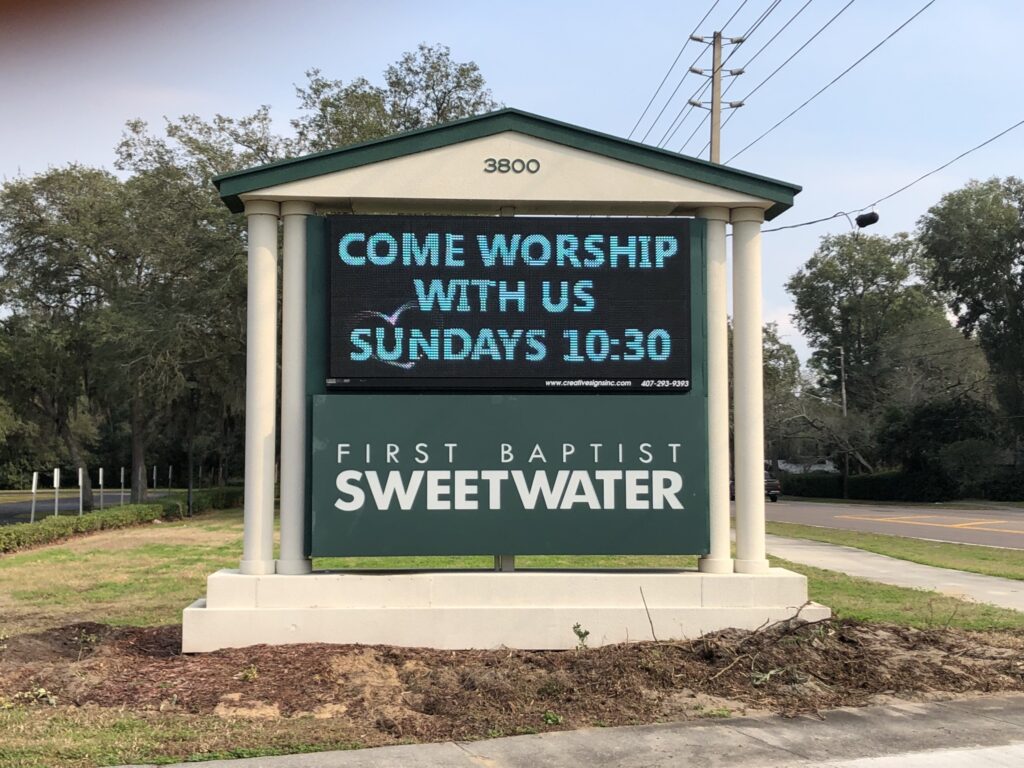
Examples of different kinds of directional and informative Signs we encounter:










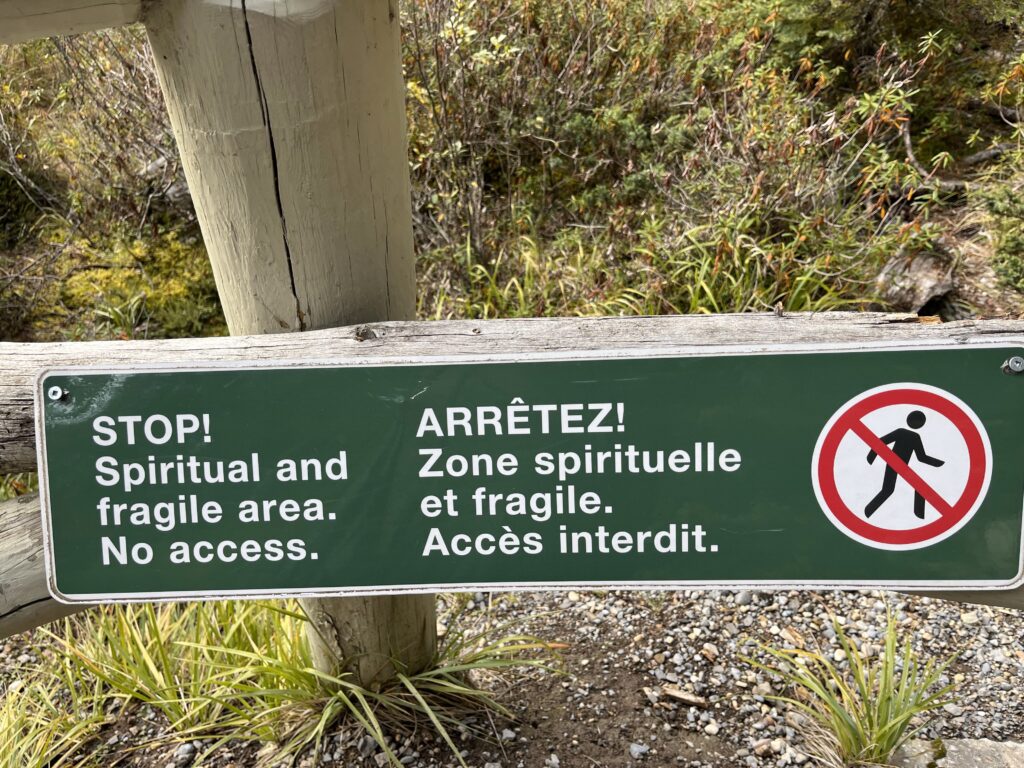

John’s Signs
- Turning Water Into Wine (John 2:1-12) …
- Healing the Nobleman’s Son (John 4:46-54) .
- Healing the Man at the Pool (John 5:1-11) …
- Feeding of the 5,000 (John 6:1-15) …
- Walking on Water (John 6:16-21) …
- Healing a Man Born Blind (John 9:1-12) …
- Resurrecting Lazarus (John 11)
Share Screen
John’s 7 “I Am “ Statements
- “l am the bread of life” (John 6:35,41,48,51)
- “I am the light of the world “ (John 8:12)
- “I am the gate for the sheep “ (John 10:7,9)
- “I am the good shepherd” John 10:11,14
- “I am the resurrection and the life.” John11:25
- “I am the way, the truth and the life.” John 14:6
- “I am the true vine,”. John 15:1
III. Jesus’s death and resurrection
IV. Epilogue: Jesus Commission
John 21:25 “Jesus did many other things as well. If every one of them were written down, I suppose that even the whole world would not have room for the books that would be written.”
Closing
Breakout Groups: Groups of 4 for 5 minutes: “Who is Jesus?”
Closing Music
I walked Today where Jesus Walked (performed by group member Katie, featuring pictures from Mary’s summer trip)