Group Connections
- Share pictures of our favorite gardens, parks, and greenspaces
Scripture Readings
Genesis 1:26-31
Genesis 2:4 – 3:24
Art
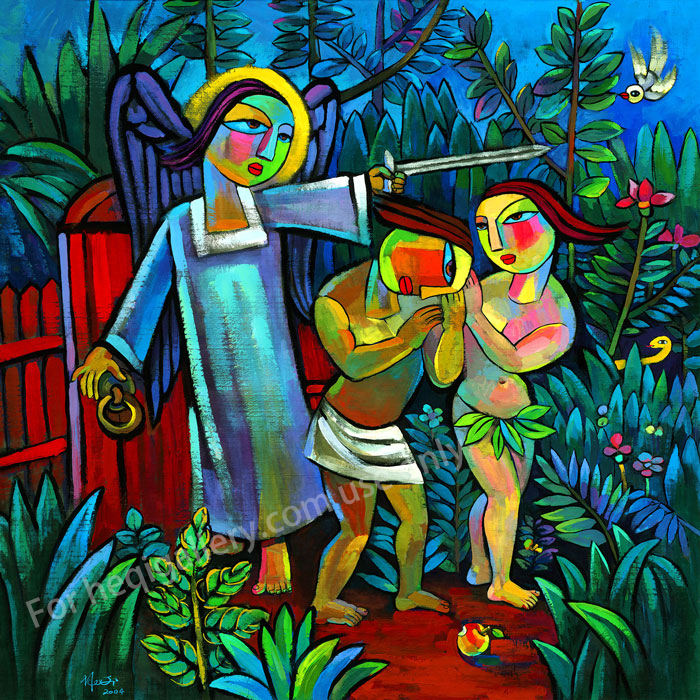
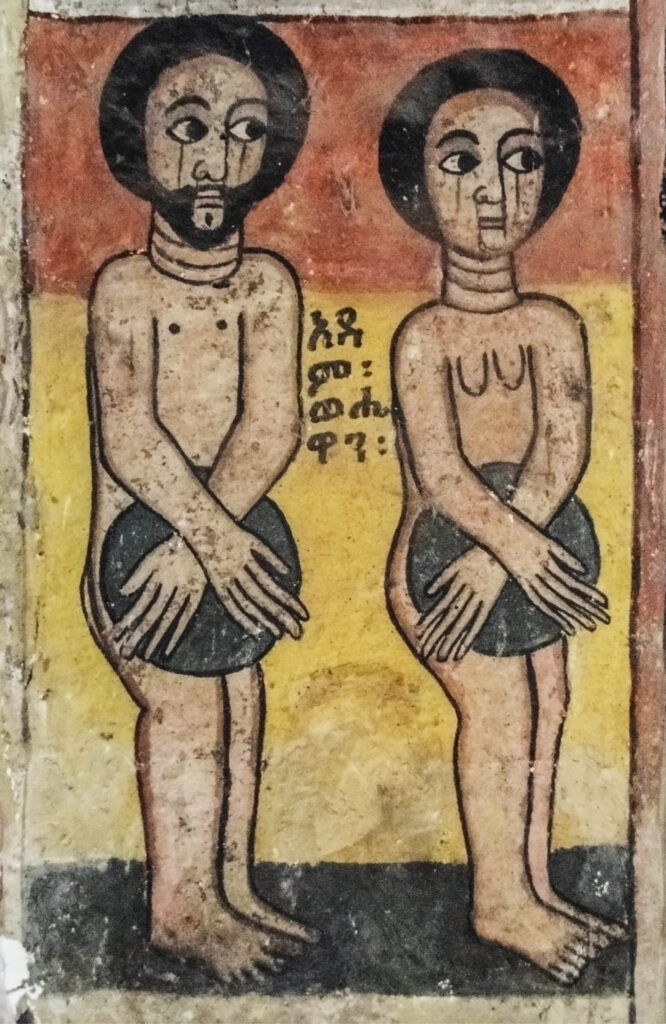
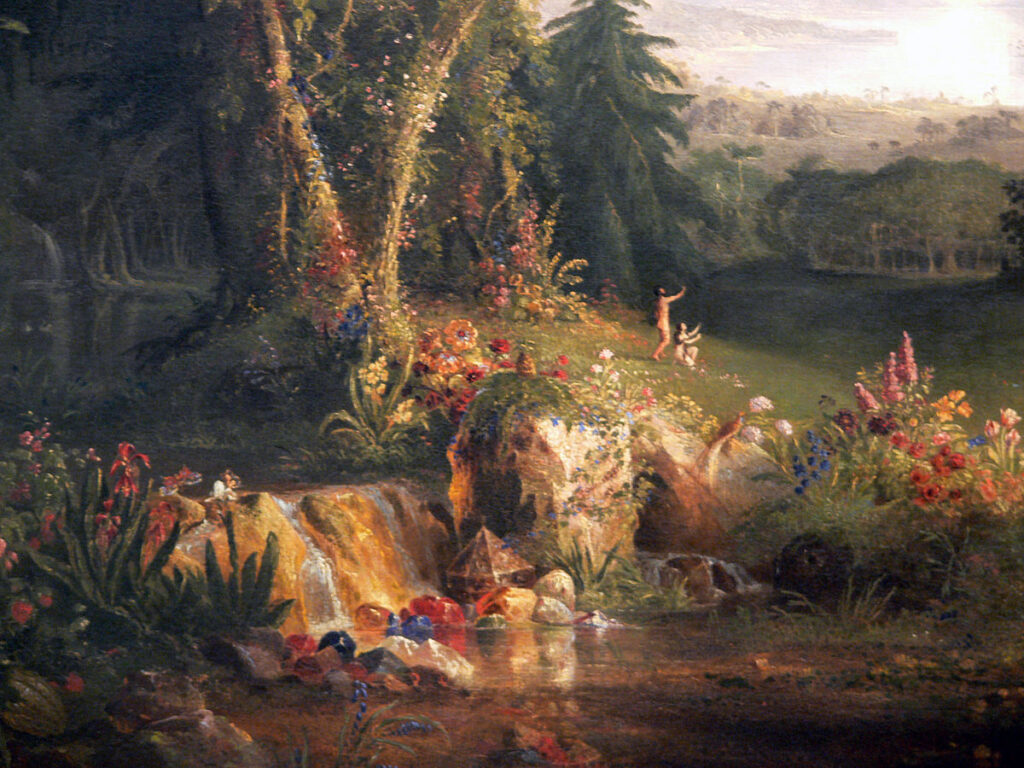
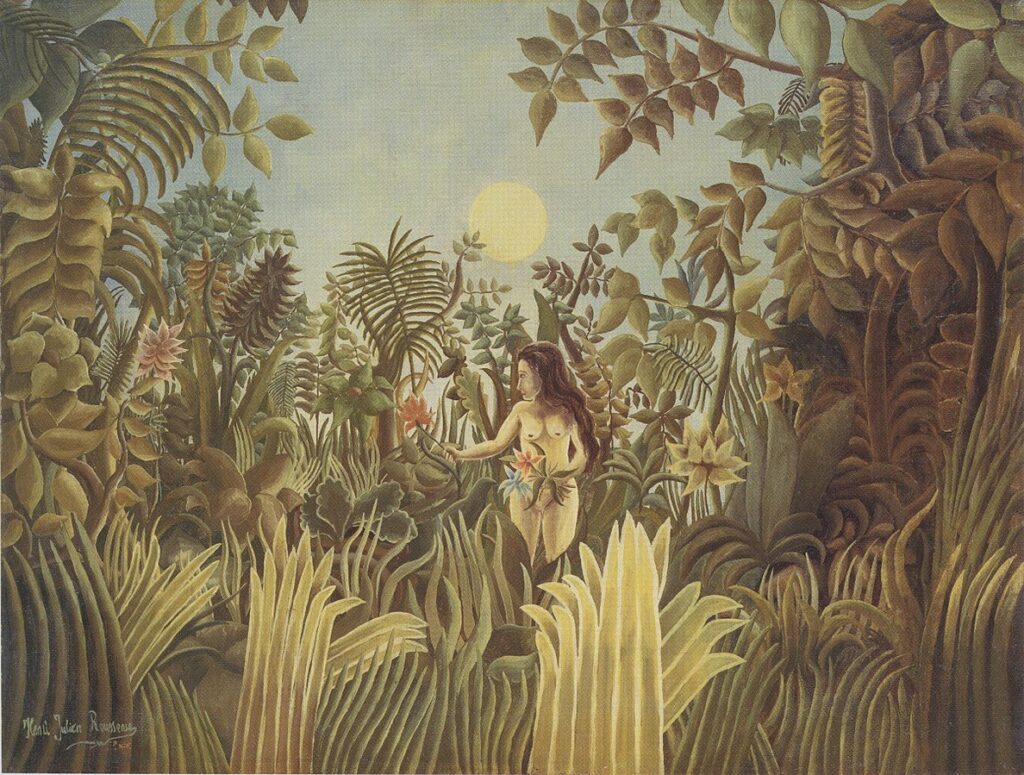
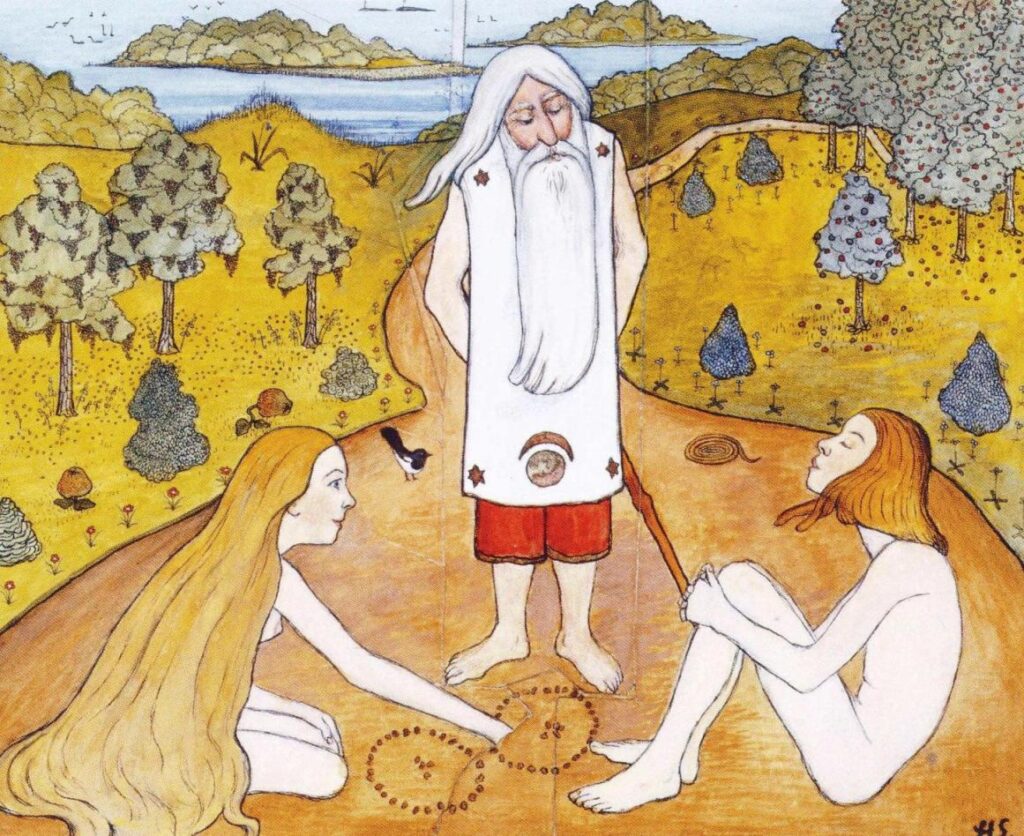
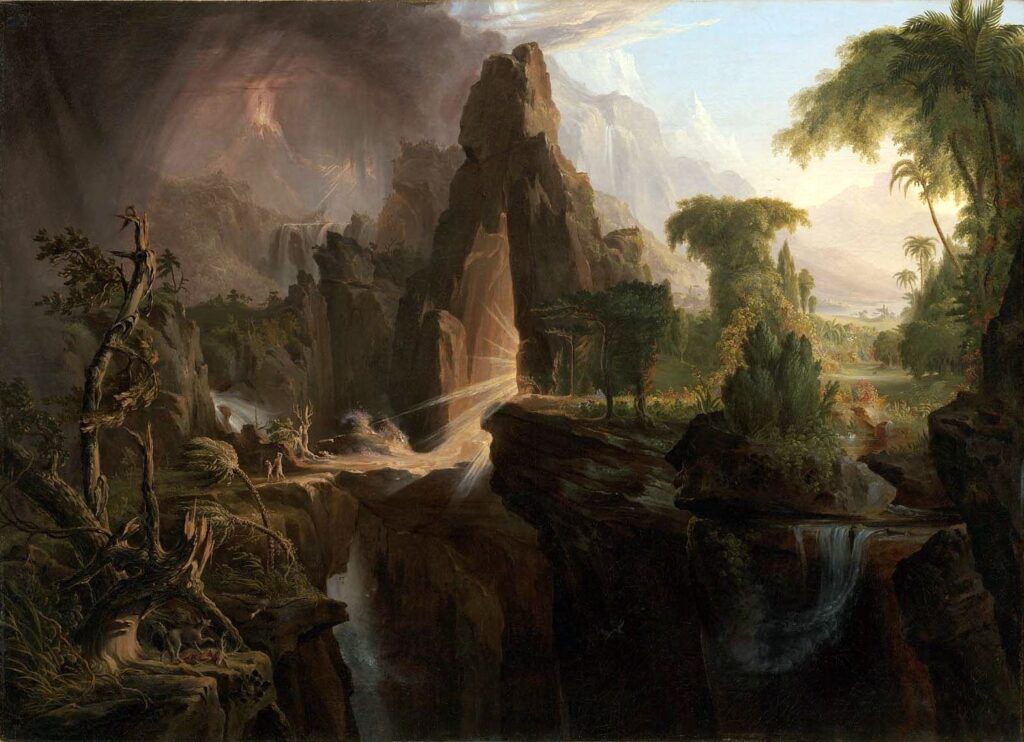
More paintings from WikiCommons
Music
- In the Garden – Selah
- In the Garden – The Church Sisters
- In the Garde – Alan Jackson
- O Day of Rest and Gladness – Indelible Grace
- Breathe on Me Breath of God – Ensemble
- Breathe on Me Breath of God – Choir
- This Is My Father’s World – Amy Grant
- This Is My Father’s World – Fernando Ortega
Engaging with Scripture:
- take a walk in a garden and listen to the scripture passages as you walk
Notes From The Study Bible
Gen 2:15 – “to work it and take care of it” In the rest of the ancient world it was believed that humans had been created to serve the needs of the gods; the gods had grown tired of the drudgery of providing for themselves. In Genesis people also serve God but not by meeting his needs. When people are assigned their function here, priestly terms are used in contrast to the royal functions given in 1:28-29. In the rest of the ancient Near East, caring for the needs of the gods was also a priestly function. In the OT, the priestly function involved maintaining the status of sacred space and providing for hte proper worship and obedience to God’s requirements.
Gen 2:20 – “names”. Names were not given randomly in the ancient world. A ame may identify the essiential nature of the creature, so that giving a name may be an act of assigning the function that creature will have. In Mesopotamia the assigning of function is referred to as the decreeing of destiny. Decreeing destiny by giving a name is an act of authority. In the ancient world, when a king conquered another country, the king he put on the throne was given a new name. In other cases, the giving of a name is an act of discernment in which the name is determined by the circumstances. In either case, Adam’s naming of the animals is his first step in subduing and ruling (see 1:28). He is fulfilling the role that he had by virtue of being in God’s image (see the article of “image and Likeness” pg 8), but it also leads him to realize that among the animals there is no social equal to share his function and place.