Group Connections:
- How many different houses have you lived in? Have you lived in any other cities or states?
Scripture Readings:
Genesis 12:1-5
Genesis 16:1-16
Genesis 18-1-15
Genesis 21:1-21
Music:
- Tis By The Faith of Joys To Come
- Walk By Faith – Jeremy Camp
- Wherever He Leads I’ll Go
- You Have Been My God Through All of It
- El Shaddai – Amy Grant
- Standing On The Promises
- Grace Grace God’s Grace
- He Leadeth Me
- The Road Home
- Thy Mercy My God
- His Mercy Is More
Art:
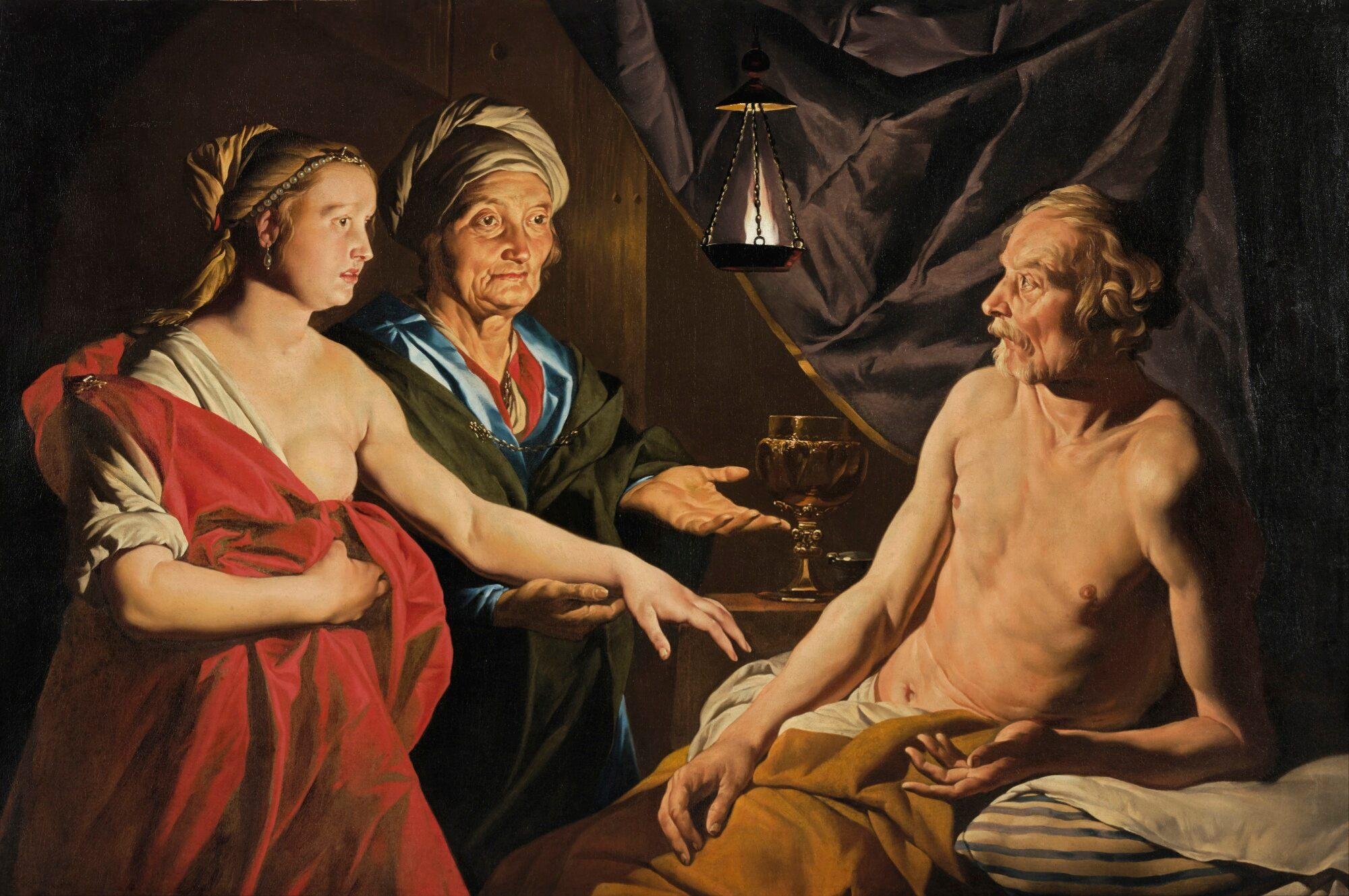
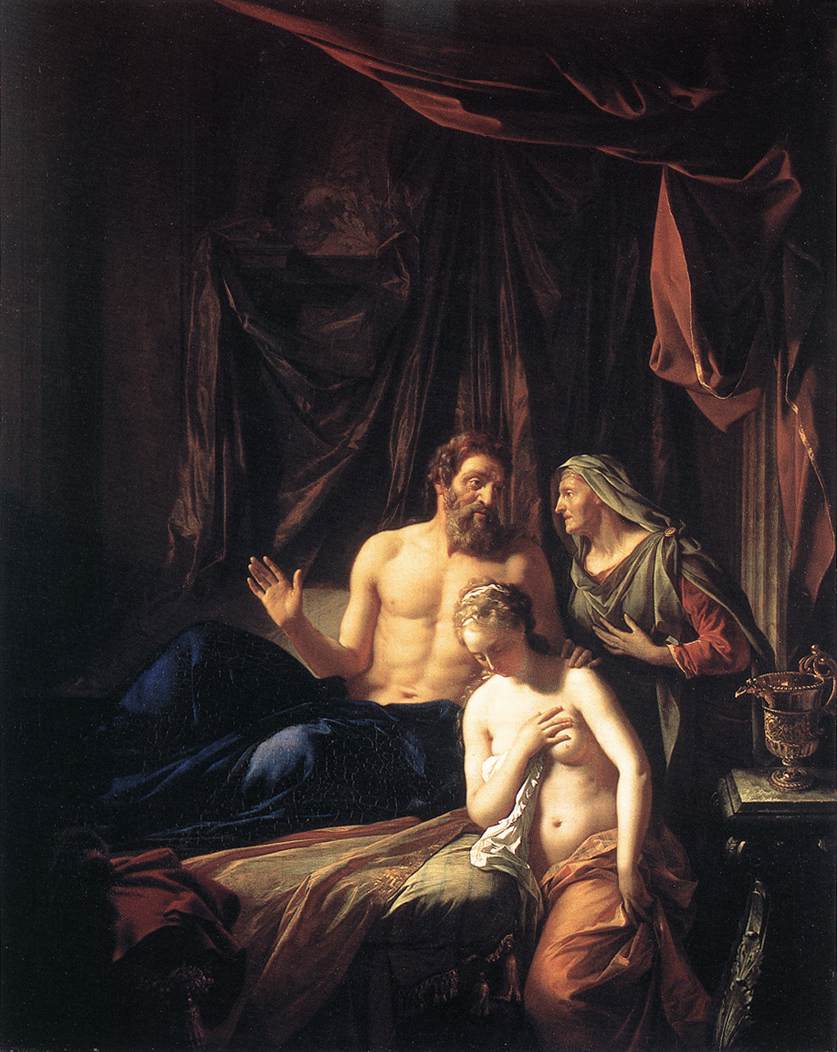

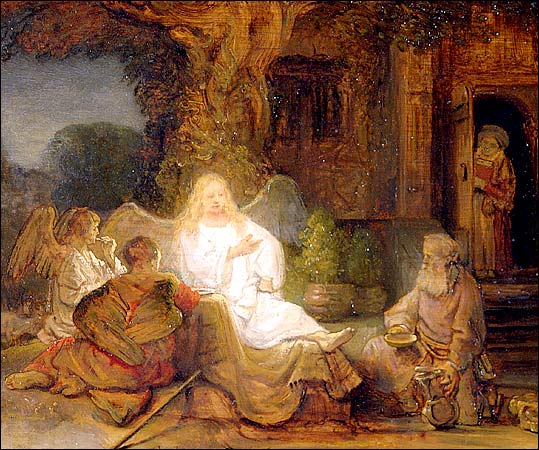
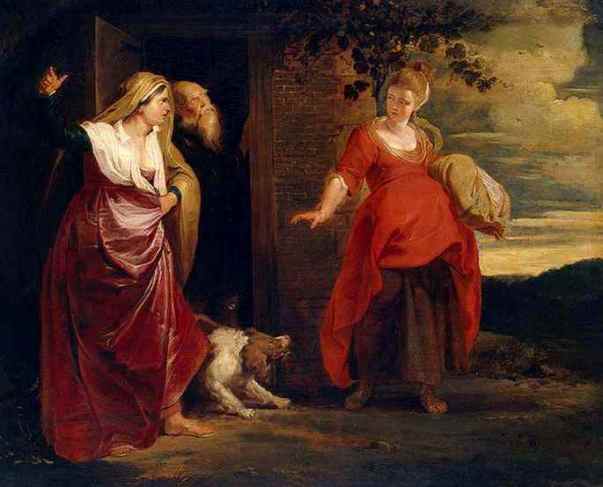

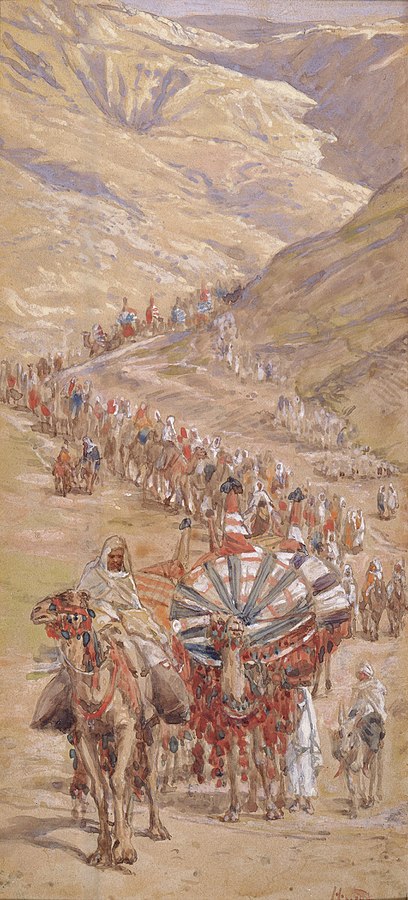
Fanfani Enrico Hagar And Ishmael
Bios from the Bridgeway Bible Dictionary
Notes From The Study Bible
From the Cultural Backgrounds Study Bible
Genesis 11:30 Note: Barrenness was considered a judgment from God in the ancient world. Sarai’s barrenness would have potentially resulted in a fragile marriage (since failure to deliver children to the family was the most common cause of divorce), in societal shame (since her condition would appear to be the result of having angered a god so that she was therefore unable to fulfill her societal role), and in an uncertainty for the afterlife (since descendants were believed to sustain the deceased in the netherworld). In Abraham and Sarai’s case, it also presented quite an obstacle to the covenant promise of having many descendants (12:2; 15:5).
Genesis 16:2 Note: In the ancient world, barrenness was a catastrophe because one of the primary roles of the family was to produce the next generation. The survival of the family line was of the highest value, and it depended on producing progeny. Whatever threat a second wife might pose to harmony in the family paled in comparison to the necessity of an heir being produced.
Marriage contracts of the ancient world, therefore, anticipated the possibility of barrenness and at times specifically dictated a course of action. Solutions ranged from serial monogamy (divorcing the barren wife to take another bride), to polygyny (taking a second wife of equal status), to polycoity (the addition of handmaids or concubines for the purpose of producing an heir), to adoption. The third option is the one pursued here; this attempted remedy is consistent with contemporary practice as a strategy for heirship. This option was often more attractive because if the wife were divorced, there would be an economic impact on the family (she took her marriage fund/dowry with her). Concubines bring no dowry, only their fertility, to the family.
... It is therefore plausible that Sarai is simply invoking the terms of their marriage contract.
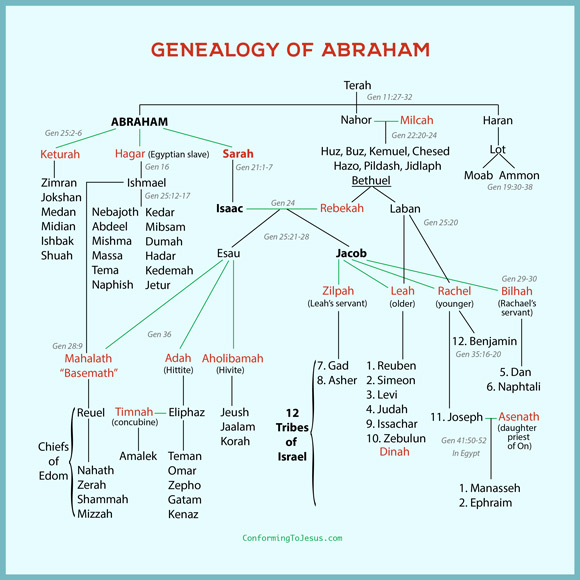
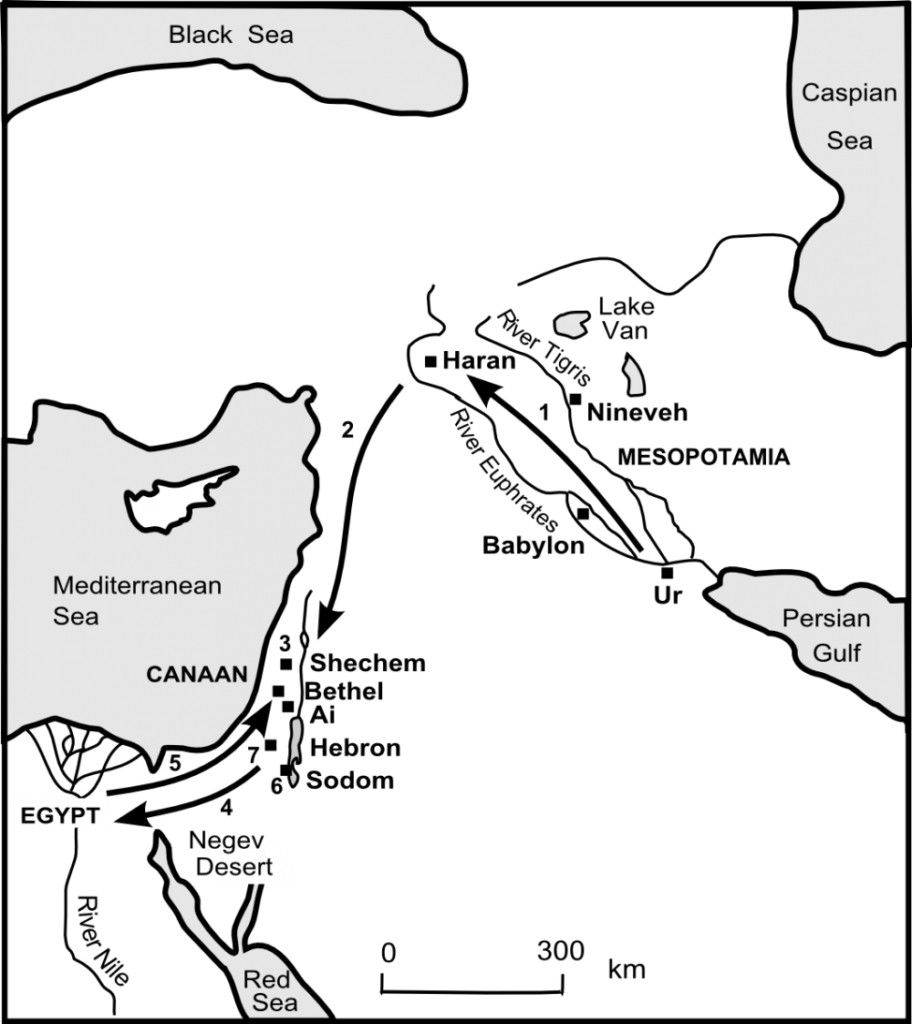
Maps
Archaeology
Videos:
Prayers
From the BSF prayer guide for Genesis Lesson 11:
Adoration: Words cannot adequately capture Your character, God. You alone are God Almighty, El Shaddai. (Genesis 17:1)
Confession: Like Sarah in Genesis 18:12, we are often tempted to doubt Your plans. Forgive us, Father, for demeaning Your power and sovereignty.
Thanksgiving: Thank You, Lord, for building faith in Your children. Your repeated promises to Abraham remind us that You can be trusted in all circumstances and Your promises are true.
Supplication – : Help me to walk before You faithfully and be blameless. Make me ever conscious of Your presence, relying on Your persevering power, as You commanded Abraham in Genesis 17:1.
In Genesis 17:5 and 15, God gave Abraham and Sarah new names. On page four, the Lesson 11 notes state, “Their names constantly reminded them God transforms unbelief into joyful faith.” Have you experienced God’s transforming power? Take a moment to reflect on a time when God transformed your unbelief into faith. If you’re currently struggling to trust in His provision, ask Him to increase your confidence and faith.