Maps
Paintings

From Bridgeway Bible Dictionary:
David Established as king
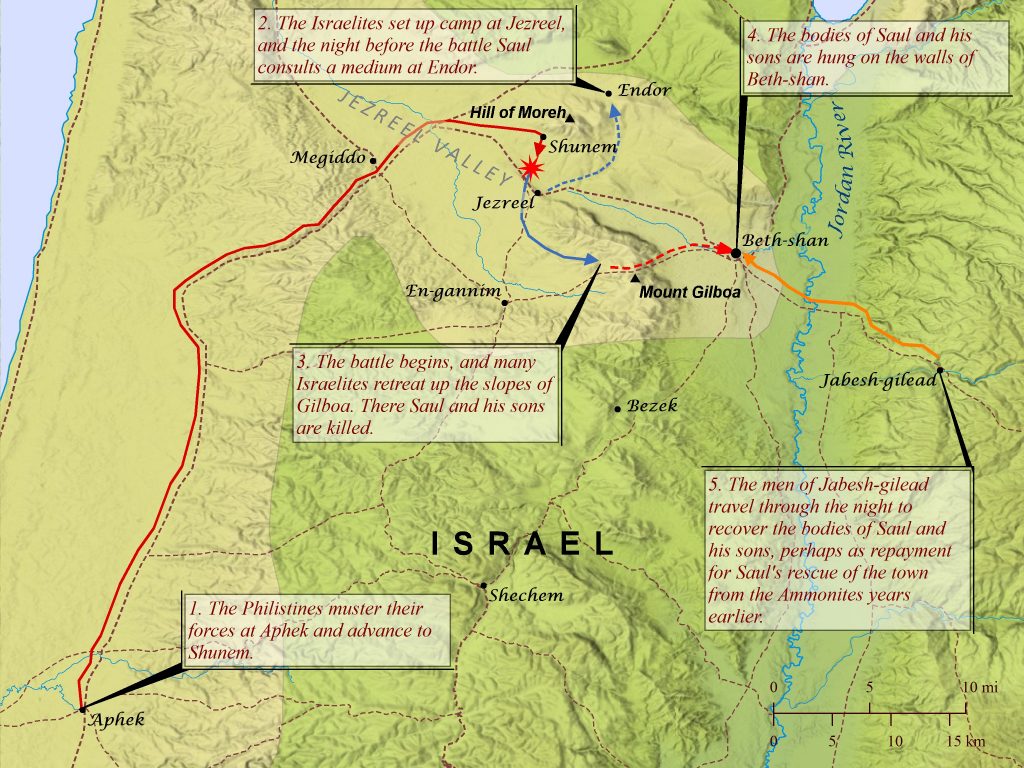
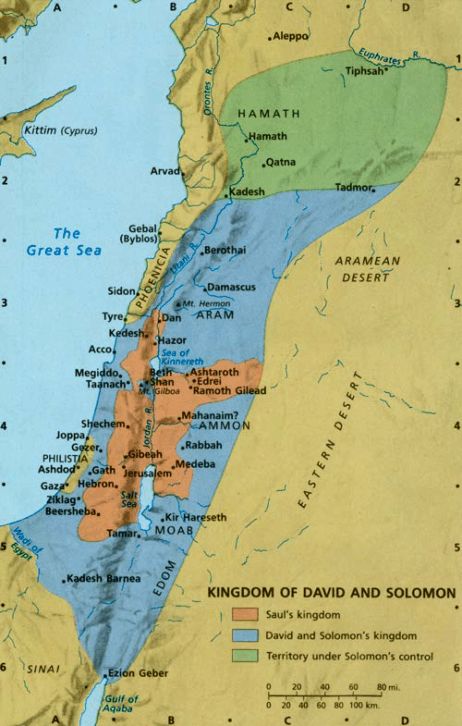
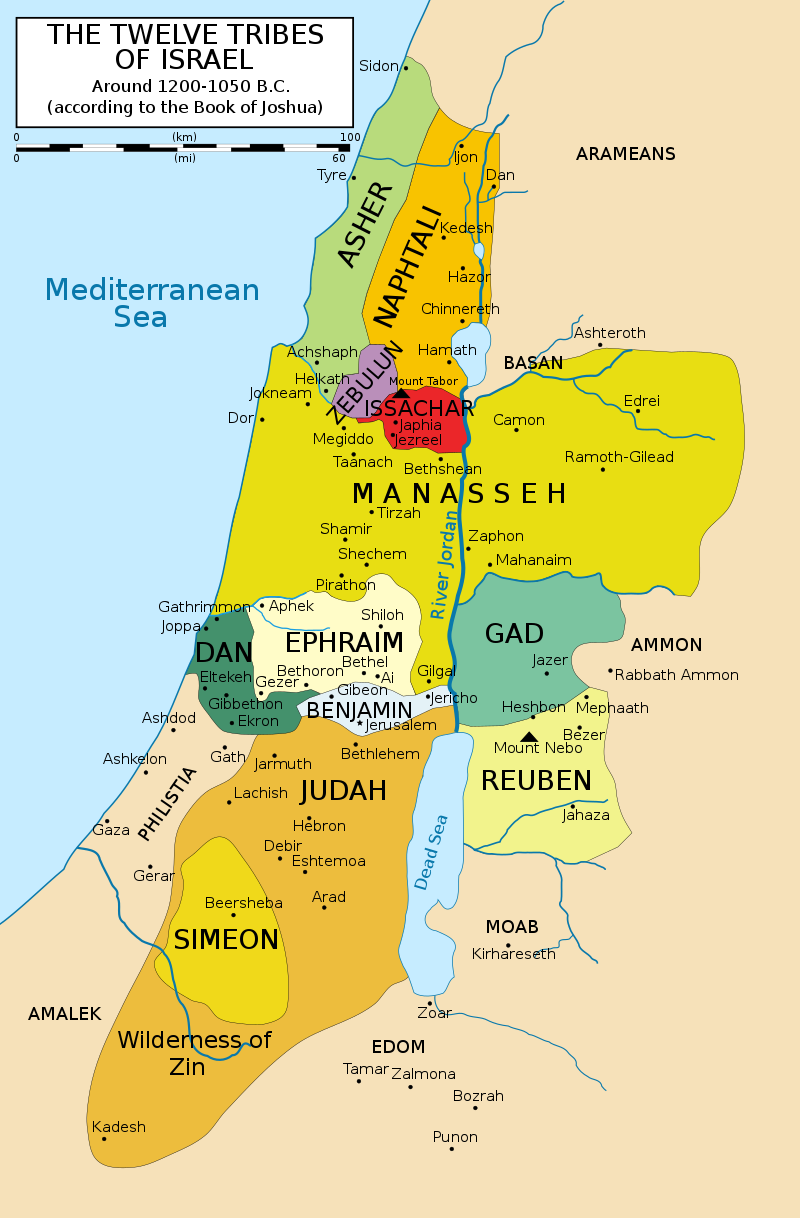
After Saul’s death there was confusion in Israel. David was declared king in Hebron, which was in the area of his own tribe Judah in the south, but one of Saul’s sons was declared king in the territory east of Jordan (2 Sam 2:3-4,8-9). After two years of conflict, the supporters of David overpowered their opponents. However, David executed the murderers of Saul’s son, to make it clear that he had no desire to gain Saul’s throne by murder (2 Sam 3:1; 4:9-12; cf. 1 :14-16).
For the next five years David ruled from Hebron (2 Sam 5:3-5). Being deep in the territory of Judah
to the south, Hebron was not a suitable place from which to rule all Israel. Therefore, in an attempt to
ensure the allegiance of the northern tribes, David decided to make Jerusalem his capital. Jerusalem was on a well fortified hill and belonged to no tribe, for it had remained under the control of the enemy since
the time of Joshua. David conquered Jerusalem and soon united all the tribes under his rule (2 Sam 5:5-
7,12).
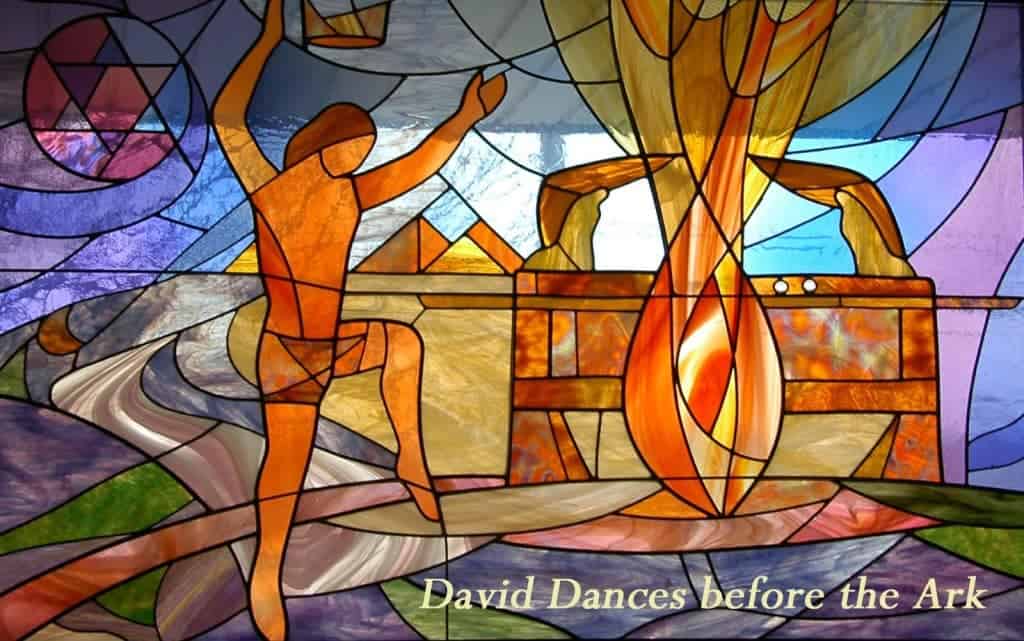
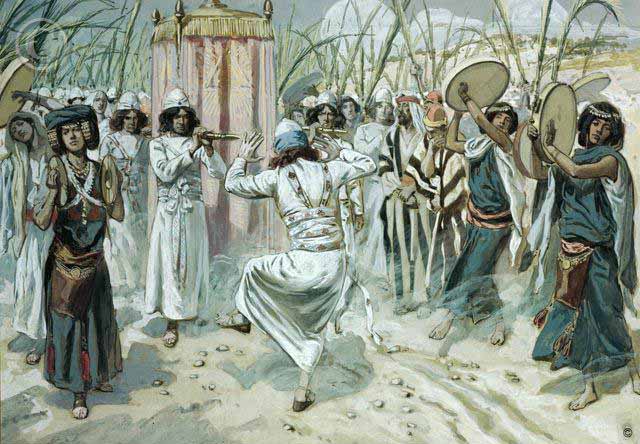
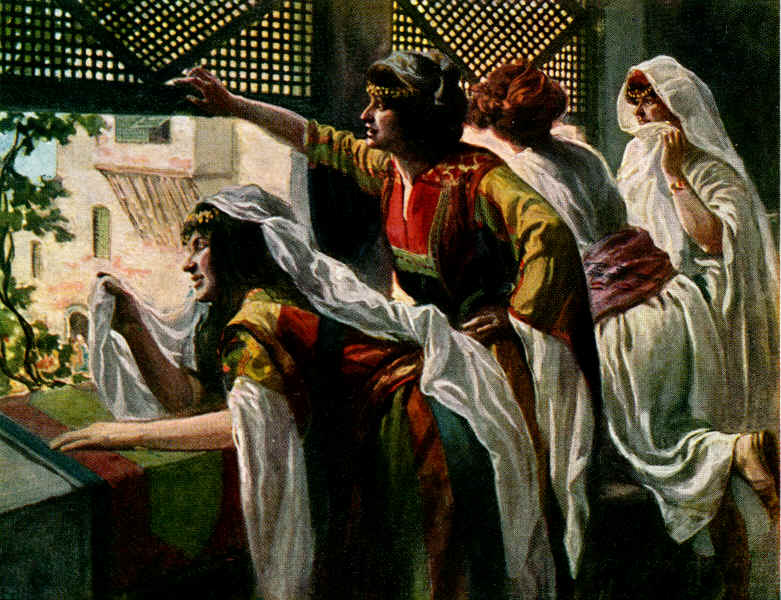
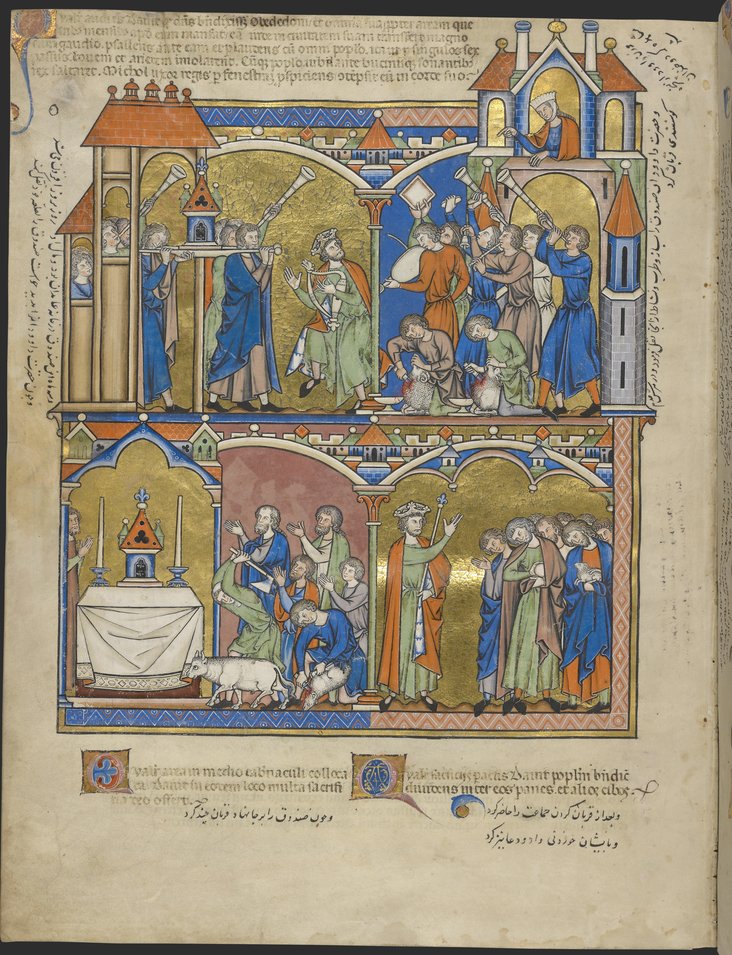
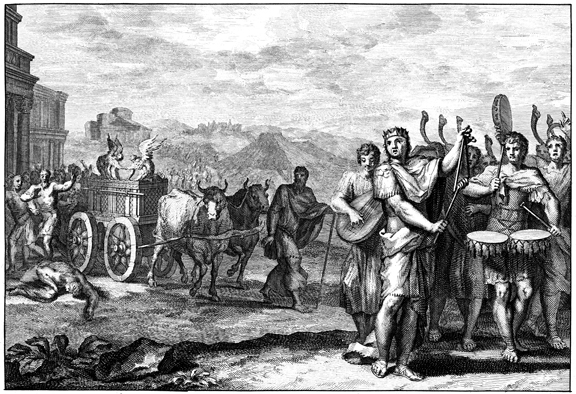
David then set out to make Jerusalem the religious as well as the political centre of the nation. He brought the ark from the country house where it had sat neglected during Saul’s reign, and placed it in a
special tent he had erected for it (2 Sam 6:2,17; cf. 1 Sam 7:1-2; 1 Chron 13:6). The conquest of Jerusalem and the arrival of the ark there are celebrated in some of David’s best known psalms (Ps 24; 68; 110). Further psalms show the ideals he aimed at in his government (2 Sam 23:1-7; Ps 101), and express his deep gratitude to God for all his gracious blessings (Ps 8; 103).
HEBRON
Hebron was a very old settlement in the south of Canaan. It was situated at the point where two main highways crossed, the north-south route from central Canaan to Egypt, and the east-west route from the Dead Sea to the Mediterranean coast (for map see PALESTINE). Hebron was also known as Kiriath-arba and Mamre. Abraham, Isaac and Jacob all lived in the region at various times, and Abraham bought a piece of ground there for a family burial place (Gen 13:18; 18:1; 23:2,17-20; 25:9; 35:27; 37:14; 50:13). At the time of Israel’s conquest under Joshua, Hebron’s local inhabitants were a tall powerfully built people whom many thought could never be conquered (Num 13:21-28,31-33). Caleb, however, believed otherwise (Num 13:30). Not only did he defeat them, but he received their territory as his family possession (Josh 14:12-15). Hebron, in the centre of this territory, became one of the three cities of refuge established west of Jordan (Josh 20:7-9; 21:9-13).
The town fell within the tribal allotment of Judah and soon became the chief town of the tribe. For seven years it was the capital of David’s kingdom, till he conquered Jerusalem and made it his new capital (2 Sam 5:1-5). When Absalom tried to overthrow David, Hebron was the base from which he launched his rebellion (2 Sam 15:7-10). A later king, Rehoboam, recognized Hebron’s strategic situation on the main highways, and fortified it as a key defence outpost (2 Chron 11:5-12).
AMALEKITES
Although the descendants of Esau were, on the whole, known as Edomites, one group of Esau’s descendants developed separately and were known as the Amalekites (Gen 36:1,9,12; Exod 17:8; Judg 3:13; 1 Sam 15:2,15). They were a race of wild desert nomads who were scattered in an area extending from the far south of Canaan across the Sinai peninsular.
When the Israelites were escaping from Egypt, the Amalekites raided the weak and defenceless who were lagging behind in the procession. Because of this, God commanded that when the people of Israel were established in Canaan they were to wipe out the Amalekites (Exod 17:8-16; Deut 25:17-19). In the meantime the Amalekites continued to attack the Israelites, both before they entered Canaan and after they had settled there (Num 14:45; Judg 3:13; 6:3,33; 10:12).
Saul was commanded to destroy them completely, but although he won a notable victory, he failed to carry out the task fully (1 Sam 15:1- 33). Those who survived continued their bandit-like raids, but with less frequency and less effect. Gradually the Amalekites were absorbed into other groups in the region and eventually the race died out (1 Sam 30:1-20; 1 Chron 4:41-43).
Closing Prayer
Psalm 8 and 68
O Lord, our Lord,
how majestic is your name in all the earth!
You have set your glory above the heavens.
2 Out of the mouth of babies and infants,
you have established strength because of your foes,
to still the enemy and the avenger.
Psalm 68:19 — Praise be to the Lord, to God our Savior, who daily bears our burdens
3 When I look at your heavens, the work of your fingers,
the moon and the stars, which you have set in place,
4 what is man that you are mindful of him,
and the son of man that you care for him?
Psalm 68:19 — Praise be to the Lord, to God our Savior, who daily bears our burdens
5 Yet you have made him a little lower than the heavenly beings[b]
and crowned him with glory and honor.
6 You have given him dominion over the works of your hands;
you have put all things under his feet,
7 all sheep and oxen,
and also the beasts of the field,
8 the birds of the heavens, and the fish of the sea,
whatever passes along the paths of the seas.
Psalm 68:19 — Praise be to the Lord, to God our Savior, who daily bears our burdens
9 O Lord, our Lord,
how majestic is your name in all the earth!
Psalm 24 (On bringing the Ark to Jerusalem)
Who shall ascend the hill of the Lord?
And who shall stand in his holy place?
4 He who has clean hands and a pure heart,
who does not lift up his soul to what is false
and does not swear deceitfully.
5 He will receive blessing from the Lord
and righteousness from the God of his salvation.
6 Such is the generation of those who seek him,
who seek the face of the God of Jacob.[b]