Judges 4 & 5
Scripture
Music
Art


http://www.facebook.com/catedraleseiglesias 
Archaeology and Geography
https://watchjerusalem.co.il/900-sisera-v-deborah-evidence-for-the-biblical-account




Chariots in Ancient Warfare
Notes from the Cultural Backgrounds Study Bible
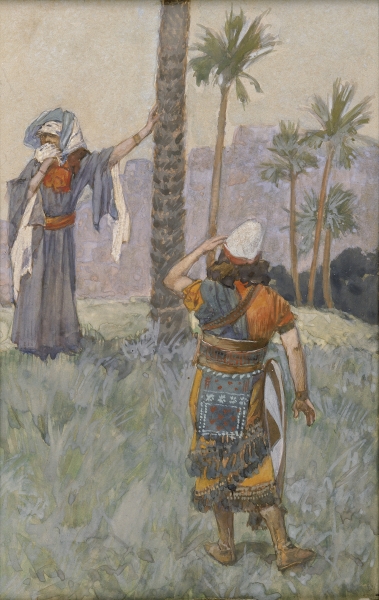
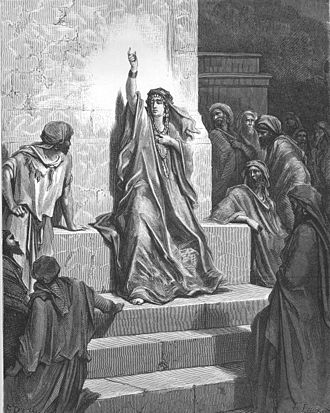
Judges 4:4 – a prophet, a wife – This epithet brings Deborah’s profession and gender to the reader’s attention. A prophet serves as a spokesperson for the dity to the people. Not only was the institution of prophecy widespread in the ancient Near East, but Mesopotamian prophecy in particular involved an unusually large proportion of female prophets. In the patricentric world of ht eOT, few if any standing leadership offices were open to woemn. By contrast, there seems to have been no hesitation in Israel to engage women as prophets. This may be because in Israel the prophetic office had an ad hoc character. Whereas elsewhere, especially in the Neo-Assyrian courts, prophets tended to function as part of the courts of kings, in Israel they were engaged directly by Yahweh, and in monarchic times especially often worked in opposition to kings.
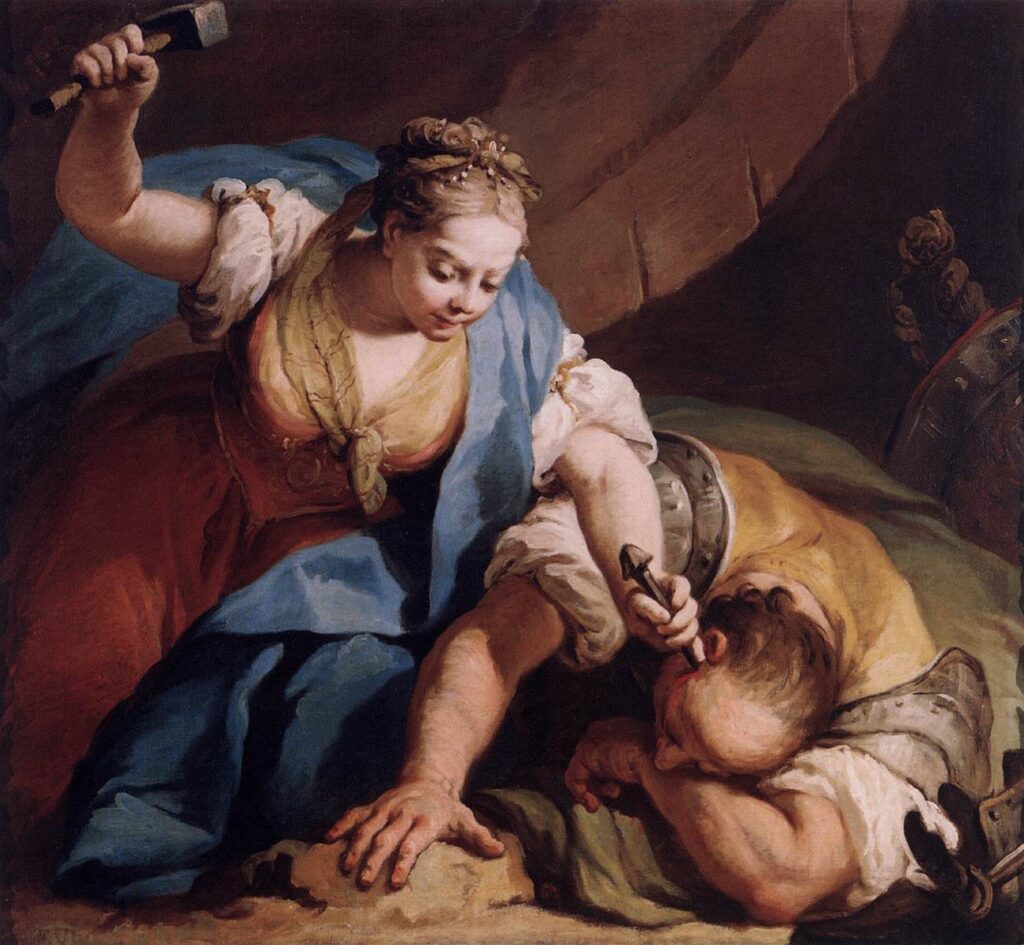
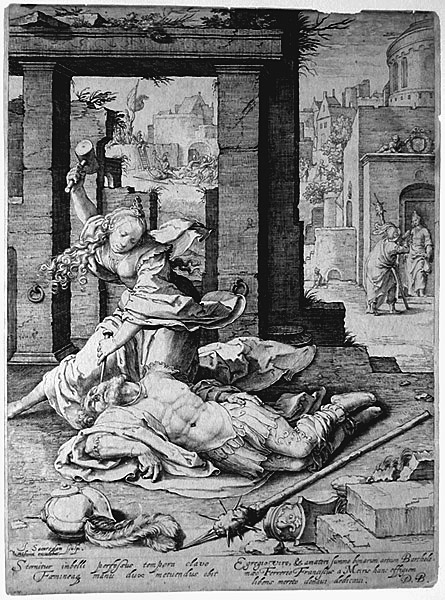
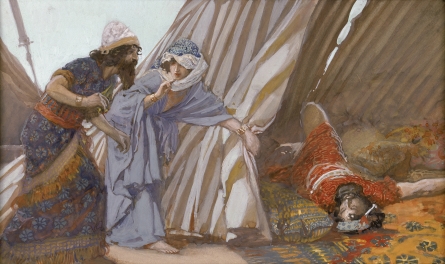
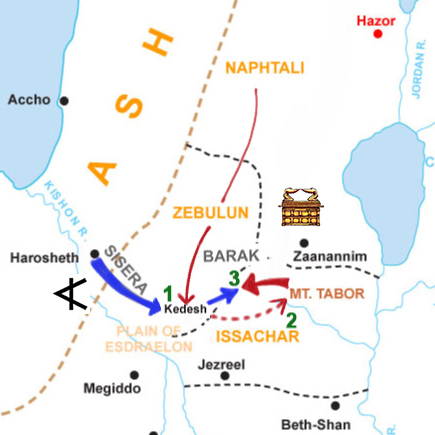
Judges 4:18-21 – In her actions Jael violates a series of fundamental social norms: 1. In offering hospitality to Sisera she usurps her husband’s exclusive right as a male to offer hospitality to a male. 2. In killing Sisera she violates the covenant between Heber and Sisera’s superior. 3. In killing Sisera, who had sought hospitality and protection in her house, she violates the fundamental rights of guests. As in the Middle East today, in the ancient Near East hospitality toward strangers represented one o fthe highest social values – even superseding a man’s responsibility for the well-being of his children (19:22-26). The story of Jael in these verses represents one of hte most blatant violations of this value in the literature of the ancient world; nonetheless, God used such actions to accomplish his objectives.